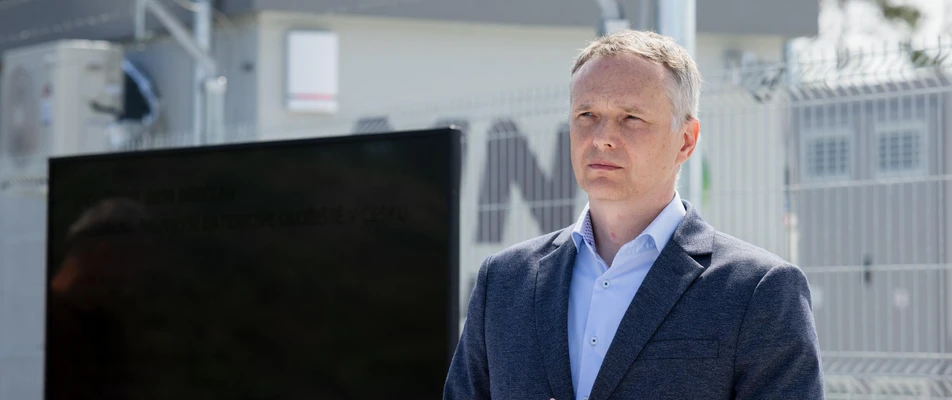
Both the state and customers will benefit from battery storage, says Martin Pich
Battery storage is rapidly becoming a key component of the modern energy sector. It is not just about the technology, but also a new way of generating revenue from flexibility whilst stabilising the grid. Martin Pich, Director of the Trading Division at MND, explains exactly how this business works in practice.
Battery storage is a new area of business that MND is venturing into. However, the state and end-users of energy will also benefit from this – but how?
For the state, or rather for the electricity grid, batteries help to balance out fluctuations between generation and consumption. This reduces grid management costs whilst increasing its capacity, which can bring cheaper electricity from abroad into the Czech Republic.
For customers, this means downward pressure on prices in the long term, as batteries enable better use of cheap energy from renewable sources at times when electricity is expensive.
How will MND utilise the battery storage facility in Břeclav?
As with other projects, we will use it to provide both commercial and technical flexibility. Our aim is to monetise its operation across all market segments – from day-ahead (trading the day in advance based on planned prices) and intraday (trading during the day according to the current situation) right through to power balancing and deviation management services.
What does this mean in practice?
For example, for power balancing services, we offer the battery’s capacity to the transmission system operator ČEPS. In the future, we expect similar services to develop at the distribution level as well, whether in the form of dynamic tariffs or traditional ancillary services. In addition, we also use the battery on the wholesale market.
There is a lot of talk about algorithmic trading – how does it work with batteries?
In practice, this involves collecting and analysing large amounts of data from across Europe. Based on this data, we generate price forecasts and decide when to charge the battery and when, conversely, to sell energy. This process runs continuously – every 15 minutes, the battery receives instructions on how to operate.
Is this something you’ve already tried out with the Flexibility in Retail service?
Yes. We use our algorithmic models, which utilise modern AI technology, not only for flexible generation sources but also for trading on European markets. So we’ve tested them in practice. We deploy them for battery storage, photovoltaic systems and combined heat and power units, whilst also offering them to third parties.
How does this differ from domestic batteries?
The principle is similar, but large standalone batteries offer significantly greater flexibility. They are primarily governed by market demand and the technical parameters of the grid, whereas with domestic batteries, the consumption of the specific household plays the main role.
MND plans to build further storage facilities in the Czech Republic and abroad – will you manage them in the same way?
The basic principles remain the same. The only difference is in the configuration of the algorithms according to the specific market, particularly in the area of ancillary services.

Editor-in-Chief
Other articles
Battery storage and MND: what's in store for us this year?
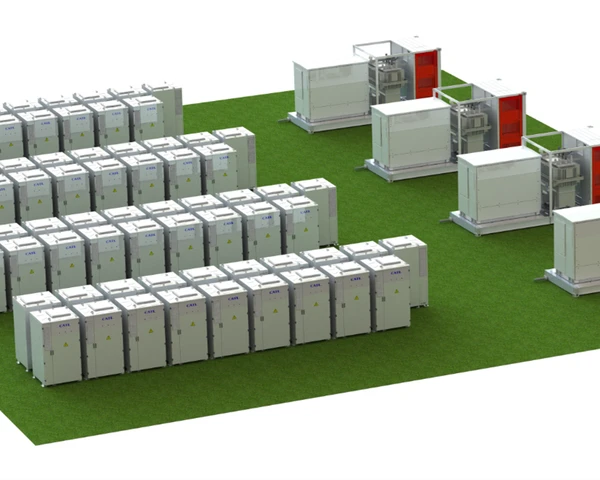
In the last Report, we informed you that the MND Group, through its subsidiary MND BESS (Battery Energy Storage System), has jumped straight into the battery business. We are currently in various stages of preparing several battery storage projects with a total capacity of around 42 MW and an installed capacity of over 100 MWh. In the Czech Republic, our target is to reach a total capacity of 50 MW, which is not far off.
Hydrogen is absolutely strategic, says Nano Advanced founder
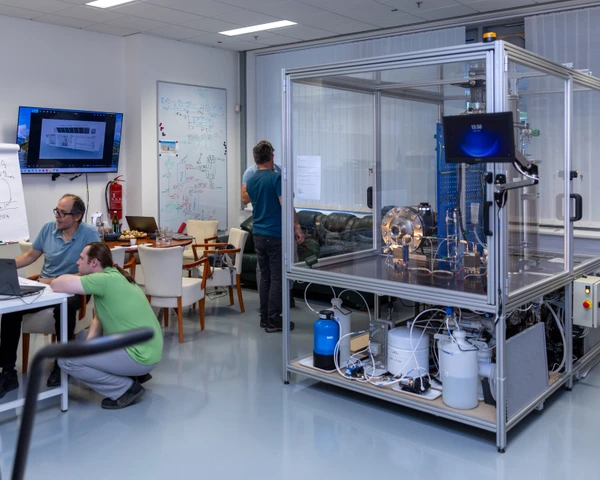
First wild water, then green hydrogen. Pavel Srbecký and Jakub Drnec are the main figures of the startup Nano Advanced, which MND joined last year. The company is developing an innovative hydrogen generator that is tailored to renewable resources. Its advantages are high efficiency and, above all, a longer lifetime. According to Pavel Srbecký, production is sold out two years in advance - and that's before the final product is finished. Such is the current market interest in hydrogen production machines.
Uncertainty in markets persists
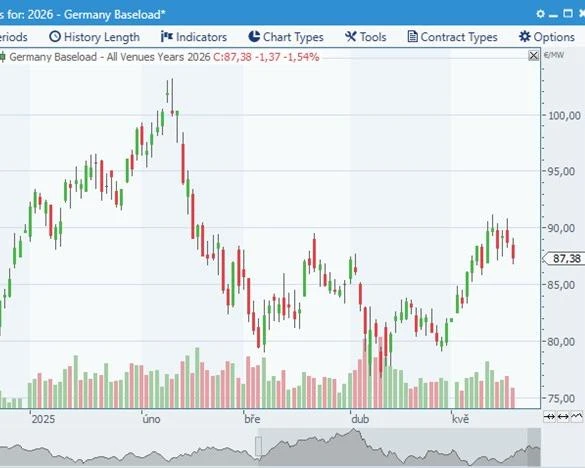
In the last issue, I discussed the impact of the end of gas transit through Ukraine and concluded by stating that 2025 is a tight year in terms of balance. And how have markets developed since then?